

Swiss Alps as a Premier Alpine Destination
The Swiss Alps, renowned globally for their breathtaking natural beauty, are a mountain range extending across Switzerland that attracts millions of tourists annually. Characterized by soaring peaks, pristine lakes, and idyllic villages, the region is often regarded as one of the most scenic and accessible alpine destinations in the world. For travelers planning to explore the Swiss Alps, understanding key aspects such as geography, weather patterns, transportation, seasonal activities, and accommodation options is essential to maximize their experience. In 2023 alone, Switzerland welcomed over 11 million overnight tourists, with a significant portion visiting alpine areas, highlighting the relevance and enduring appeal of the Swiss Alps as a top travel destination.
Geographical and Climatic Characteristics of the Swiss Alps
The Swiss Alps refer to the portion of the larger Alpine mountain range that lies within Switzerland’s borders, stretching approximately 200 kilometers from west to east. Dr. Martin Beniston, a noted climatologist, defines the Swiss Alps as “a diverse high-altitude environment with microclimates that vary drastically over short distances,” underscoring their environmental complexity. Key characteristics include peaks averaging above 4,000 meters, such as the Matterhorn (4,478 meters) and Dufourspitze (4,634 meters), the highest point in Switzerland.
The region’s climate is typically alpine, featuring cold winters with heavy snowfall and mild summers, though microclimates can vary significantly. The Swiss Federal Office for Meteorology and Climatology reports that areas above 1,500 meters can experience snow cover lasting from November through April, pivotal for winter sports tourism.
Seasonal Variations and Their Impact on Tourism
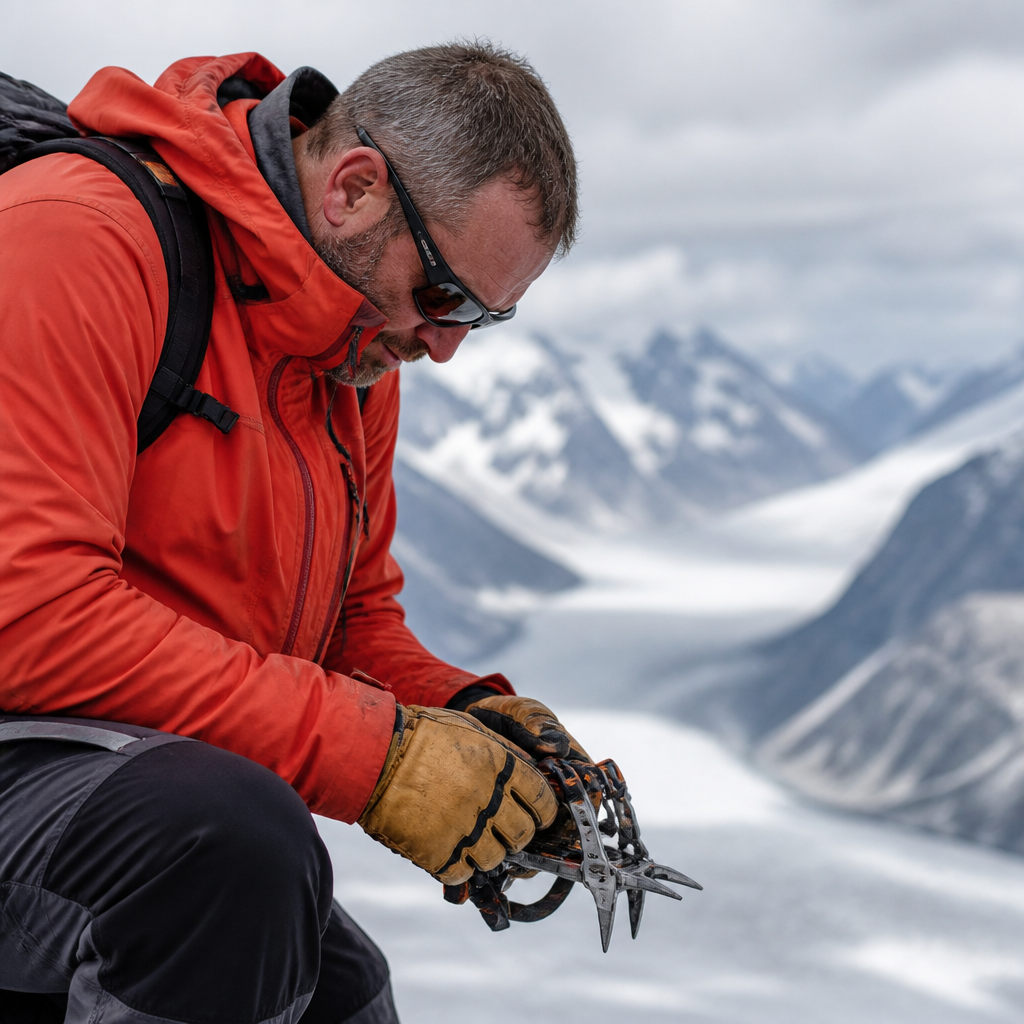
Seasonality plays a critical role in the Swiss Alps for tourism activity. Winter attracts enthusiasts for skiing, snowboarding, and ice climbing, while summer offers hiking, mountain biking, and alpine flora exploration. According to Switzerland Tourism, winter months account for about 60% of alpine tourist visits, indicating the region’s reputation as a winter sports haven.
Hyponyms of Swiss Alpine Environments: Valleys, Glaciers, and Mountain Passes
Within the broader Swiss Alps, specific features such as the Engadin Valley, Rhône Glacier, and the Furka Pass have distinguished roles. Each represents unique ecological and touristic niches: valleys often serve as cultural hubs, glaciers offer scientific and adventurous appeal, and mountain passes provide strategic routes and panoramic viewpoints.
Transportation and Accessibility in the Swiss Alps
Accessibility to the Swiss Alps is facilitated by Switzerland’s efficient and extensive transportation network. The Swiss Federal Railways (SBB) define the region as “one of the most connected mountain areas in Europe, with regular train, bus, and cable car services.” Key transit hubs include cities such as Zurich, Geneva, and Bern, with numerous alpine towns linked by scenic railways like the Glacier Express and Bernina Express.
Statistics from the Swiss Tourism Board indicate that over 70% of alpine tourists use public transportation to reach mountain destinations, reflecting the sustainability and convenience of the system. Road infrastructure, including well-maintained mountain passes (open seasonally), complements the rail network for flexible travel.
Public Transportation Options
Train and bus services provide vital connectivity within alpine regions. The Matterhorn Gotthard Bahn and regional buses allow access to remote villages. Cable cars and funiculars, such as those in Zermatt and Grindelwald, enable visitors to reach high-altitude hiking trails and ski resorts efficiently.
Driving and Road Conditions
While driving offers flexibility, mountainous terrain requires preparation. Seasonal road closures are common; for instance, the Furka Pass is typically accessible from June to October. Winter tires and chains are mandatory during snowy months to ensure safety, as reported by the Swiss Road Traffic Information service.
Activities and Experiences for a Fulfilling Swiss Alps Trip
The Swiss Alps provide a wide array of activities catering to diverse interests throughout the year. The Swiss Alpine Club categorizes these into winter sports, summer alpine adventures, cultural experiences, and wellness tourism, each offering unique ways to engage with the mountains.
Winter Sports and Recreation
Skiing remains the hallmark winter activity, with popular resorts like St. Moritz, Verbier, and Davos boasting over 1,000 km of groomed pistes combined. Snowboarding, cross-country skiing, and ice skating also attract thousands seasonally. Ski tourism generates approximately CHF 3 billion annually for the Swiss economy, showing its immense significance.
Summer Hiking, Climbing, and Nature Exploration
During summer, over 65,000 km of marked hiking trails invite trekkers of all levels. Alpine flora, fauna, and geological formations provide educational and wildlife observation opportunities. Mountain biking routes and via ferrata climbing enhance outdoor adventure options.
Cultural and Wellness Tourism
Visitors can immerse themselves in alpine culture through traditional festivals, local cuisine, and crafts in villages like Grindelwald and Interlaken. Additionally, wellness tourism—leveraging natural thermal springs and spa resorts such as Leukerbad—has seen a steady growth rate of approximately 5% per year, according to the Swiss Spa Association.
Accommodation and Travel Tips for Visiting the Swiss Alps
Choosing the right accommodation is pivotal for a satisfying Swiss Alps experience. Options range from luxury hotels and mountain lodges to affordable hostels and alpine huts. The Swiss Tourism Board notes that alpine accommodations collectively offer over 500,000 beds, with availability fluctuating greatly based on season and location.
Types of Accommodation
Luxury resorts provide premium services—including ski-in/ski-out access—while alpine huts cater to hikers seeking rustic experiences. Family-run guesthouses offer cultural immersion and personalized hospitality. Booking in advance, especially for high-demand periods like Christmas and summer holidays, is crucial to secure preferred lodging.
Practical Travel Advice and Preparation
Visitors should prepare for weather variability by packing layered clothing and appropriate gear for outdoor activities. Currency exchange (Swiss Franc, CHF), travel insurance covering alpine activities, and understanding local customs enhance safety and enjoyment. Additionally, tourists are advised to purchase the Swiss Travel Pass for cost-effective and unlimited public transport usage.
Conclusion: Maximizing the Swiss Alps Experience
In summary, the Swiss Alps offer a compelling blend of natural beauty, accessibility, and diverse activities, making them a must-visit for mountain travelers worldwide. Understanding the geographical features, seasonal variations, transportation logistics, and accommodation options can greatly enhance one’s visit. As global tourism trends increasingly favor sustainable and experiential travel, the Swiss Alps stand out as a model destination promoting responsible enjoyment of alpine environments. Prospective visitors are encouraged to plan carefully, embrace local culture, and engage in varied activities to fully appreciate why the Swiss Alps remain one of the most treasured mountain regions on the planet.