
Swiss Alps as a Premier Mountain Destination: Essential Insights for Travelers
The Swiss Alps represent one of the most iconic mountain ranges in the world, renowned for their breathtaking landscapes, outdoor recreational opportunities, and rich cultural heritage. Spanning across Switzerland’s southern border and encompassing towering peaks such as the Matterhorn and Jungfrau, this region attracts millions of tourists annually. To truly maximize the experience of traveling through the Swiss Alps, visitors need to understand key aspects such as optimal travel seasons, transportation logistics, accommodation types, safety considerations, and cultural nuances. This article delves into those essential factors, supported by travel statistics and expert recommendations, providing a comprehensive guide to making your Alpine adventure both rewarding and efficient.
Travel Seasons and Climate Patterns of the Swiss Alps
The travel season is a critical factor when planning a trip to the Swiss Alps. Defined by Dr. Markus Keller, a climatologist at the Swiss Federal Institute for Forest, Snow and Landscape Research, the Alpine climate is characterized by cold, snowy winters and mild, relatively dry summers. According to recent meteorological data, winter spans from December to March, bringing heavy snowfall ideal for skiing and snowboarding, while summer (June to September) offers pleasant temperatures ranging from 15°C to 25°C, suitable for hiking and sightseeing.
Key characteristics of the seasonal patterns include:
- Winter season attracts over 20 million ski tourists annually, with resorts like Zermatt and St. Moritz leading in visitor counts.
- Summer months see a surge in hiking, mountain biking, and paragliding activities, contributing significantly to the local economy.
- Shoulder seasons (spring and autumn) tend to be quieter but offer unique experiences such as Alpine flower blooms and foliage colors.
Understanding these climatic attributes enables travelers to select the best time for their preferred activities, aligning expectations with environmental conditions.
Winter Tourism and Alpine Sports
Winter months transform the Swiss Alps into a winter sports paradise. The Swiss Tourism Board reports that approximately 25% of all winter tourists opt for skiing, snowboarding, or cross-country skiing. Resorts are well-equipped with an extensive network of ski lifts and pistes, some exceeding 300 kilometers in length, such as those found in Verbier.
Safety considerations during this season include avalanche risks, which the Swiss Institute for Avalanche Research evaluates daily during winter. Travelers are advised to respect warning signs and seek guided tours where necessary.
Summer Activities and Ecotourism
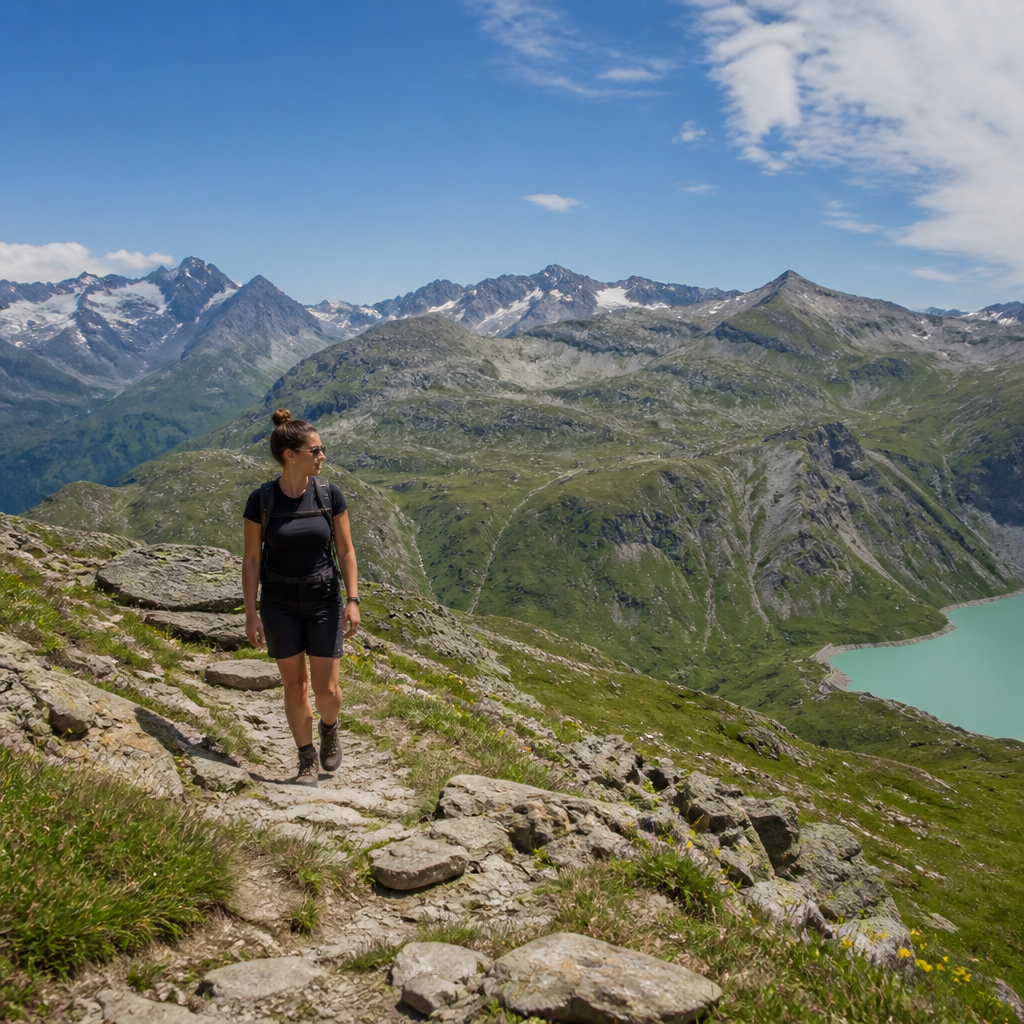
The Swiss Alps’ summer season promotes a range of outdoor activities, including hiking, mountain biking, climbing, and wildlife viewing. The Alpine Convention, an international treaty protecting the Alps’ environment, highlights the importance of sustainable tourism to preserve biodiversity and prevent degradation. Consequently, many regions offer eco-friendly accommodations and guided nature tours focused on conservation.
For example, the Jungfrau region recorded over 8 million visitors in 2023, with a noticeable increase in demand for low-impact travel options such as electric cable cars and designated footpaths.
Transportation Infrastructure in the Swiss Alps
Transportation within the Swiss Alps is a defining attribute of the region’s accessibility. The Swiss Travel System is internationally praised for its integration of trains, buses, and cable cars, facilitating seamless mobility for tourists. According to the Swiss Federal Railways (SBB), over 1.25 million passengers use mountain route trains like the Glacier Express and Bernina Express annually, providing not only transport but also panoramic views.
Key transportation modes include:
- Extensive rail networks connecting main cities with mountain resorts.
- PostBus services offering routes to less accessible mountainous villages.
- Cable cars and cogwheel trains reaching summits and scenic viewpoints.
Efficient transportation reduces travel time and environmental impacts, making it fundamental for travelers aiming to maximize their Swiss Alps itinerary.
Key Scenic Train Routes
The Glacier Express, described by Lonely Planet as “the slowest express train in the world,” spans 291 kilometers between Zermatt and St. Moritz, crossing 91 tunnels and 291 bridges. It offers travelers a unique combination of convenience and spectacular sightlines, passing through UNESCO World Heritage landscapes.
Mountain Cable Cars and Funiculars
Cable cars are essential for reaching high-altitude destinations not accessible by road. For example, the Titlis Rotair is the world’s first revolving cable car, offering 360-degree views as it ascends. Their use supports alpine tourism and is carefully managed to minimize ecological footprints.
Accommodation Options and Local Hospitality
Accommodation in the Swiss Alps ranges from luxury hotels to mountain huts and chalets, catering to diverse traveler preferences. According to the Swiss Hotel Association, the occupancy rate for Alpine accommodations reaches up to 75% during peak seasons, reflecting high demand.
Categories of accommodations include:
- Five-star resorts and spa hotels: Located mainly in famous resorts such as St. Moritz and Gstaad, offering premium services and wellness amenities.
- Traditional chalets and guesthouses: Provide a more intimate experience, often run by local families emphasizing Swiss hospitality.
- Mountain huts (Alpine huts): Operated by Swiss Alpine Clubs, these are basic shelters located along hiking routes, ideal for adventurers.
Booking in advance is essential, especially during winter holidays and summer festivals, to ensure availability and favorable rates.
Cultural Aspects of Swiss Alpine Hospitality
Swiss Alpine hospitality is deeply influenced by regional traditions. Many accommodations serve local gourmet dishes such as raclette and fondue, showcasing culinary heritage. Visitors often cite warm interactions with hosts as a highlight of their trip, enhancing the cultural richness of the journey.
Safety and Preparation for Swiss Alps Travel
Safety remains paramount in mountain travel. Swiss authorities and tourist organizations provide clear guidelines to ensure visitor well-being. According to the Swiss Outdoor Safety Council, over 90% of mountain accidents occur due to poor preparation or underestimating terrain difficulty.
Essential safety considerations include:
- Checking weather forecasts regularly through MeteoSwiss before mountain excursions.
- Wearing appropriate clothing and footwear suitable for variable Alpine conditions.
- Hiring certified mountain guides when tackling high-risk routes or unfamiliar areas.
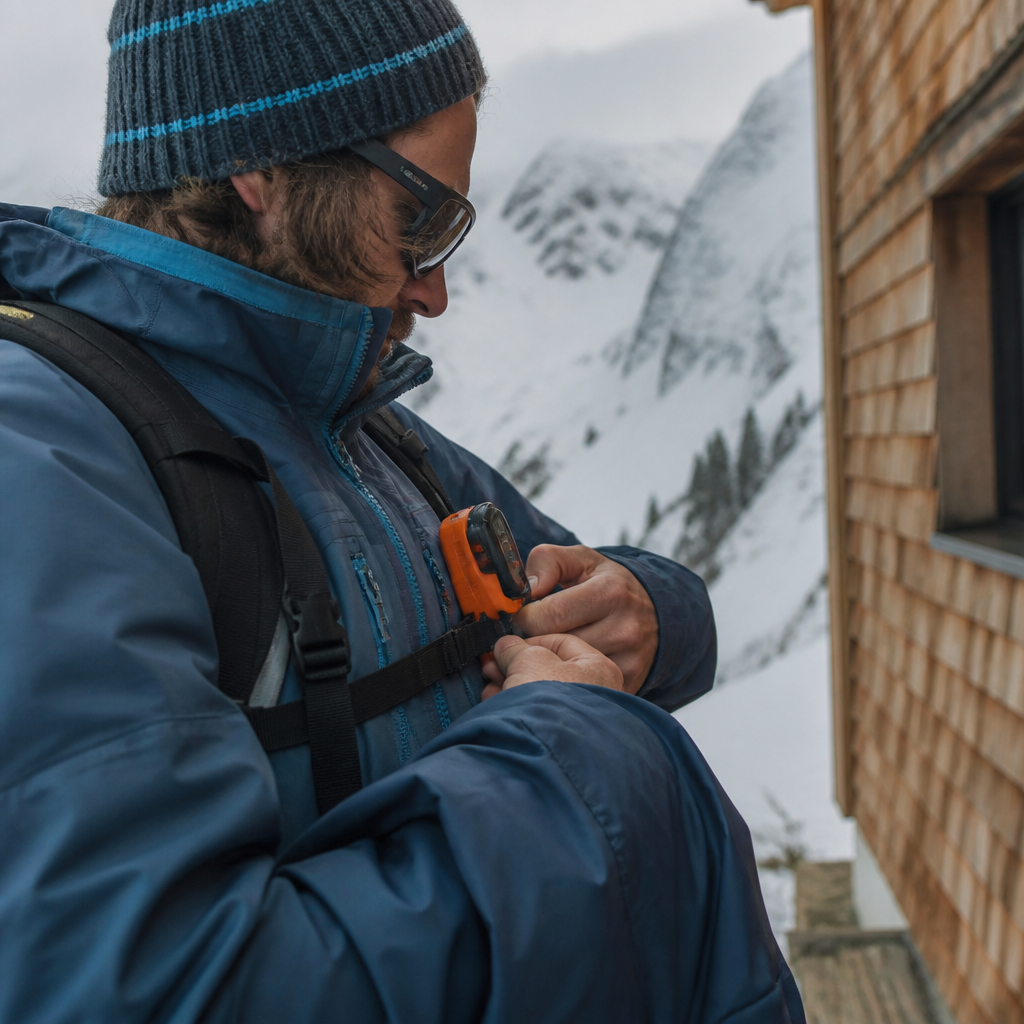
- Carrying avalanche transceivers and safety gear during winter seasons.
Preparation and respect for natural elements significantly reduce risks and contribute to an enjoyable experience.
Conclusion: Maximizing Your Swiss Alps Experience
In summary, understanding the Swiss Alps’ travel seasons, leveraging their comprehensive transportation infrastructure, selecting suitable accommodations, and prioritizing safety are key to a fulfilling journey. These elements collectively define the Swiss Alps as a premier mountain destination, blending natural marvels with cultural depth and modern accessibility. With millions of visitors drawn annually to its slopes and summits, the region remains a benchmark for sustainable and experiential tourism. Prospective travelers are encouraged to research thoroughly, plan according to personal interests, and embrace local customs to fully appreciate what the Swiss Alps offer.
For further reading, consult official resources such as Switzerland Tourism (myswitzerland.com), MeteoSwiss for weather updates, and the Swiss Alpine Club for hiking route information.