
Jungfrau Destination Attributes: Seasonal Differences Between Summer and Winter Visits
Jungfrau, located in the Bernese Alps of Switzerland, is renowned as one of the most iconic mountain destinations in Europe. It attracts millions of visitors annually due to its stunning alpine environment, impressive peaks, and outdoor recreational activities. Understanding how the Jungfrau experience differs between summer and winter is essential for travelers to plan their visit according to their preferences and interests. This article explores the distinctive features and attractions of Jungfrau in both seasons, emphasizing activities, accessibility, scenery, and visitor statistics to present a comprehensive comparison of summer and winter tourism at Jungfrau.
Seasonal Climate and Accessibility at Jungfrau
Climate and accessibility are primary factors differentiating Jungfrau’s appeal in summer and winter. The summer season (June to August) typically offers milder temperatures averaging 10-15°C at the Jungfraujoch station (3,454 meters), while winter months (December to February) experience severe cold, often dropping below -10°C, accompanied by significant snowfall.
According to MeteoSwiss, the region’s snowfall averages 200-300 cm over the winter months, enabling extensive snow activities but sometimes affecting transport. In contrast, summer’s snowpack recedes, revealing hiking trails and green alpine meadows.
Accessibility and Transport Options
Jungfrau is accessed primarily via the Jungfrau Railway, which operates year-round. In summer, the railway facilitates easy access to hiking trails, the Aletsch Glacier (Europe’s longest glacier), and panoramic viewpoints. Winter accessibility remains reliable, although weather-related delays are more frequent due to snowfall.
The transportation infrastructure adapts seasonally: cogwheel trains, cable cars, and ski lifts are essential in winter for ski resorts such as Grindelwald and Wengen, whereas summer focuses on scenic train routes and hiking transport hubs.
Outdoor Activities and Attractions at Jungfrau
The core distinction between summer and winter visits lies in outdoor recreational activities. Summer at Jungfrau is synonymous with hiking, mountaineering, and sightseeing along trails such as the Eiger Trail and to glaciers. Winter transforms the region into a winter sports paradise.
Summer Activities
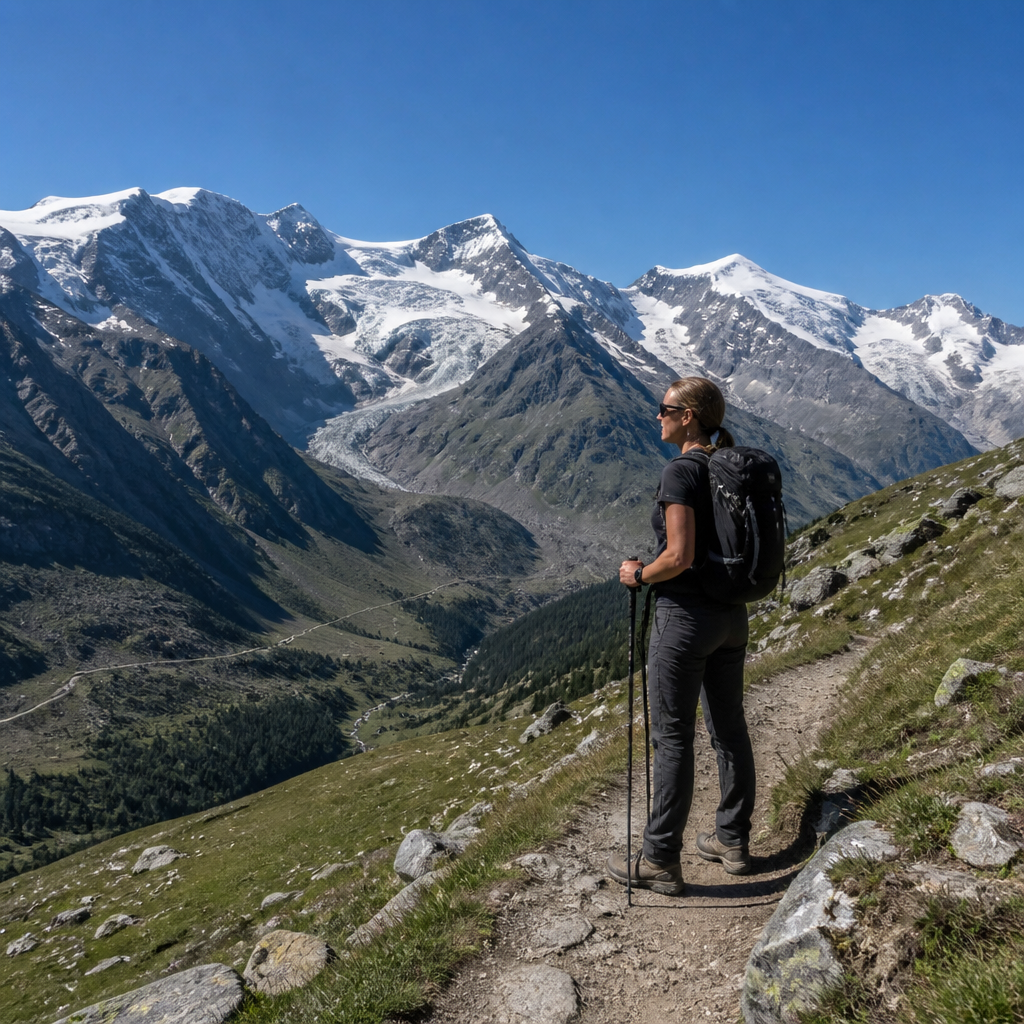
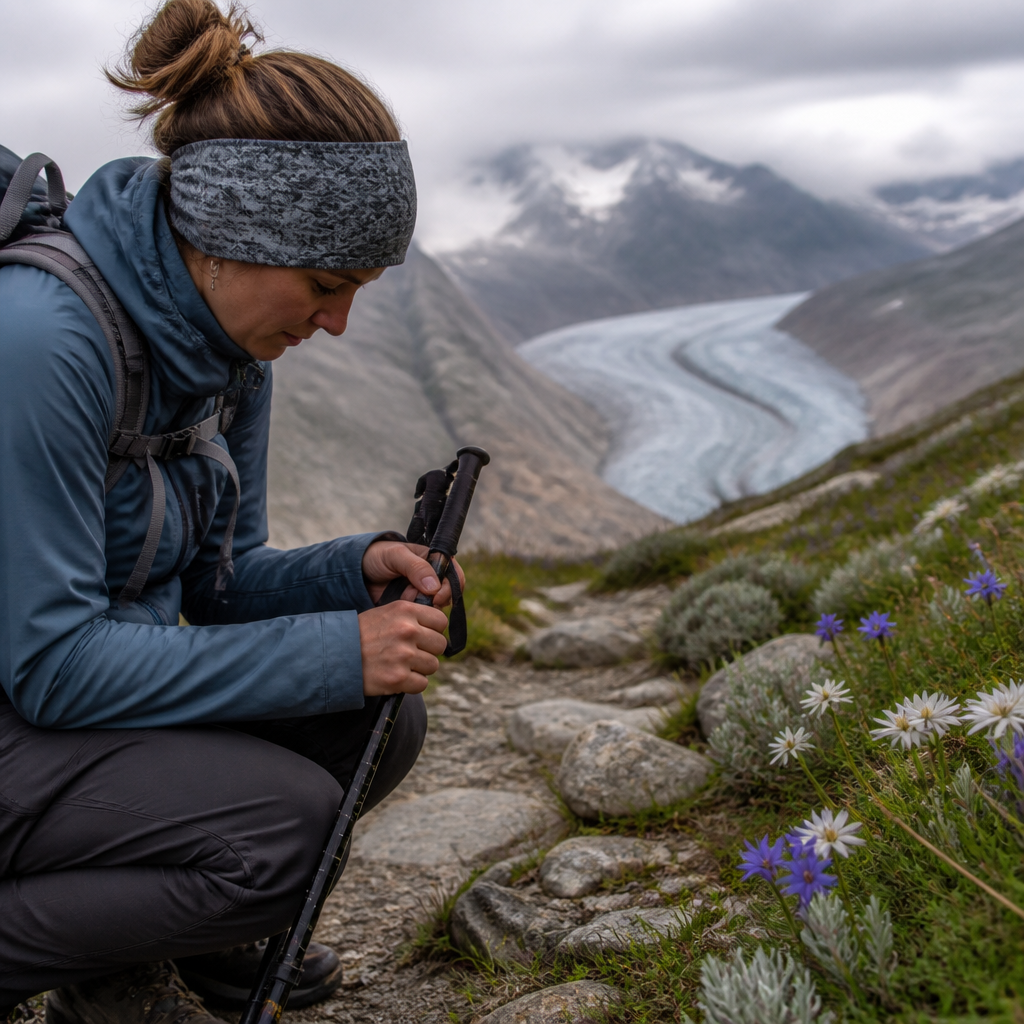
Summer visitors take advantage of over 300 kilometers of hiking trails that weave through alpine flora and offer stunning views of snow-capped peaks. The Jungfraujoch – Top of Europe railway station serves as an elevated starting point for glacier walks and ice palace tours.
Cycling, paragliding, and mountain climbing are popular; wildlife sightings of marmots and alpine ibex add to the natural allure. Summer tourism accounts for approximately 45% of annual visitors according to the Jungfrau Railways AG (2023 data).
Winter Activities
Winter turns Jungfrau into one of the most celebrated ski regions in Switzerland. The area hosts extensive ski slopes, cross-country skiing routes, snowboarding parks, and winter hiking trails. The Jungfrau region is part of the larger Jungfrau Ski Region, boasting over 200 kilometers of ski pistes.
Ski resorts in Grindelwald, Wengen, and Mürren attract visitors worldwide, with winter tourism comprising roughly 55% of total annual arrivals (Jungfrau Ski Region Report, 2023). Snow festivals and holiday events further enhance the winter experience.
Scenic and Environmental Differences Between Summer and Winter
The visual and environmental ambiance at Jungfrau changes drastically between seasons, shaping visitor experiences and photography opportunities. The region’s glaciers and peaks present different facets of beauty depending on the snow coverage and flora.
Summer Scenery
In summer, the retreat of snow uncovers lush meadows adorned with alpine flowers, including edelweiss and gentians, providing vibrant colors contrasted against rocky peaks. Clear skies and warmer temperatures improve visibility; the Aletsch Glacier displays striking blue ice formations.
This seasonal thaw also fosters biodiversity, enabling opportunities for nature studies and ecological tours, which are less feasible in winter.
Winter Scenery
Conversely, winter transforms Jungfrau into a pristine white landscape. Snow blankets the entire area, creating majestic vistas of frozen peaks and icy glaciers. This season’s low-angle sunlight produces dramatic shadows and glittering effects on snow surfaces, favored by photographers and artists.
The frozen landscape limits wildlife visibility but increases opportunities for experiencing serene and silent snowy environments.
Conclusion: Understanding Jungfrau’s Seasonal Contrasts for Informed Travel
Comparing Jungfrau’s attributes in summer and winter underscores its year-round appeal shaped by distinct climatic conditions, accessibility, activities, and scenery. Summer tourism emphasizes hiking, nature observation, and warm-weather alpine experiences, while winter focuses on skiing, snow sports, and winter festivity.
Visitors planning a trip to Jungfrau should consider these seasonal variations to choose the best time aligning with their interests. For further insights, official sources like Jungfrau Railways AG and MeteoSwiss provide updated travel and weather information essential for optimal planning. Ultimately, Jungfrau’s unique seasonal duality ensures that whether in summer’s vibrant greenery or winter’s snowy embrace, visitors encounter an unforgettable alpine adventure.