

Jungfrau’s Captivating Charm in Switzerland Tourism
Jungfrau, one of the most iconic peaks in the Swiss Alps, embodies a unique charm that entices travelers to return to Switzerland time and again. Located in the Bernese Oberland region, the Jungfrau massif includes notable peaks such as the Eiger and Mönch, creating a breathtaking alpine landscape. This mountain region is not only a symbol of natural beauty but also a hub for diverse outdoor activities, cultural experiences, and historical significance. The combination of dramatic scenery, accessibility via the Jungfrau Railway, and a range of year-round attractions contribute to the phenomenon where one visit to Switzerland is never enough. Statistics from Switzerland Tourism indicate the Bernese Oberland area, dominated by Jungfrau, accounts for over 25% of international visitors to the country, highlighting its enduring appeal. This article explores the multifaceted allure of Jungfrau and why it continuously draws tourists back.
Defining Jungfrau’s Natural and Touristic Attributes
The Jungfrau mountain, standing at 4,158 meters, is part of the UNESCO World Heritage-listed Swiss Alps Jungfrau-Aletsch region. As defined by the Swiss Alpine Club and various geological studies, Jungfrau represents both a geological marvel and a climatic indicator for alpine ecosystems. The mountain’s snow-capped peaks, glaciers like the Aletsch Glacier, and deep valleys form a dynamic environment cherished by ecologists and tourists alike. Key characteristics of the Jungfrau region include its status as one of Europe’s highest railway stations at Jungfraujoch, attracting over one million visitors annually. The accessibility of this high-altitude environment without mountaineering expertise democratizes alpine tourism, contributing to Switzerland’s robust tourism industry.
Hyponyms linked with Jungfrau’s touristic attribute extend to specific experiences such as:
- Jungfraujoch “Top of Europe” railway journey
- Hiking trails like Eiger Trail and Lauterbrunnen Valley walks
- Winter sports including skiing in nearby resorts like Grindelwald and Wengen
- Glacier explorations and ice palace visits
These facets create a rich tapestry of activities that significantly contribute to the Jungfrau’s magnetic tourist appeal.
Alpine Accessibility and Sustainable Tourism in Jungfrau
Accessibility is a defining attribute that supports Jungfrau’s sustained popularity. The Jungfrau Railway, inaugurated in 1912, connects visitors from Kleine Scheidegg to Jungfraujoch station, the highest railway station in Europe at 3,454 meters. According to the Swiss Federal Railways (SBB), over 1 million people use this route annually, underscoring its role in making the high Alps reachable for all. This innovation is complemented by local transportation networks that encourage eco-friendly travel, aligning with Switzerland’s commitment to sustainability.
Railway Infrastructure and Its Touristic Impact
The Jungfrau Railway facilitates tourism by providing safe, comfortable, and scenic access to alpine heights. The route passes through tunnels beneath the Eiger and Mönch, offering spectacular views at observation windows. This infrastructure demonstrates an engineering marvel that enhances visitor experience while minimizing environmental disruption. The railway’s popularity also stimulates local economies in nearby villages, promoting community-based tourism development.
Sustainability Efforts and Ecotourism
Given the ecological sensitivity of alpine environments, Jungfrau has adopted sustainable tourism practices such as limiting motor vehicle access and prioritizing electric public transportation. The Jungfrau region participates in initiatives like the Global Sustainable Tourism Council (GSTC) standards, aiming to protect natural resources while supporting economic growth. These efforts ensure Jungfrau remains an attractive destination for conscientious travelers and preserves its charm for future generations.
Cultural and Recreational Diversity in Jungfrau Region
Beyond natural beauty and accessibility, Jungfrau’s charm lies in its cultural richness and recreational variety. The area blends traditional Swiss Alpine culture with modern tourism infrastructure, offering unique experiences year-round. From the traditional Swiss festivals and cuisine in local villages to extreme sports and wellness retreats, the Jungfrau region caters to a wide demographic of tourists.
Seasonal Activities and Their Appeal
In summer, visitors enjoy hiking, mountain biking, and paragliding, while winter transforms the region into a skiing and snowboarding paradise. Lauterbrunnen Valley, with its 72 waterfalls, provides idyllic hikes and photography opportunities. According to Switzerland Tourism, winter sports account for approximately 40% of visitors to the Jungfrau region, emphasizing its importance for seasonal tourism.
Cultural Heritage and Local Experiences
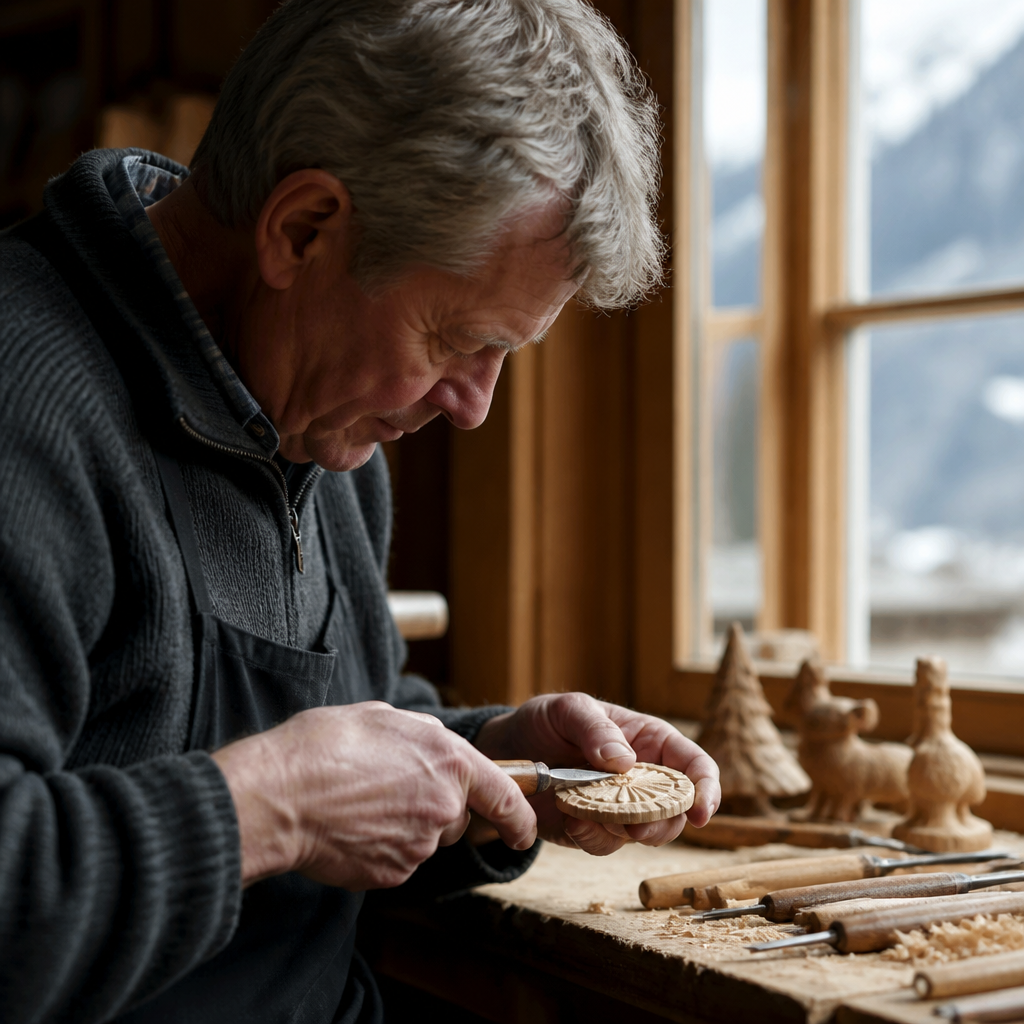
Traditional chalets, cheese-making farms, and folk music festivals give travelers an immersive cultural experience. Events like the Jungfrau Marathon and regional crafts markets further engage visitors with the local lifestyle. The interplay between cultural heritage and natural wonder creates a layered attraction that invites repeat visits to discover new facets.
Conclusion: Jungfrau’s Enduring Allure and Switzerland’s Tourism Magnetism
Jungfrau’s unique combination of natural grandeur, innovative accessibility, sustainable tourism practices, and rich cultural offerings makes it a symbol of Switzerland’s enduring appeal. Its attributes—from the engineering marvel of the Jungfrau Railway to the seasonal activities and cultural experiences—converge to create a compelling reason why visitors often feel compelled to return. The region’s ability to balance ecological preservation with high visitor numbers underscores its global significance in tourism and environmental stewardship. For those intrigued by alpine landscapes, cultural immersion, and year-round adventure, Jungfrau epitomizes a destination where one visit is just the beginning of a lifelong connection to Switzerland.
To learn more about planning a visit or engaging with sustainable tourism initiatives in the Jungfrau region, visiting Switzerland Tourism’s official site and exploring dedicated guides on alpine travel can provide valuable resources.