
Jungfrau Travel Experience Differences Between Summer and Winter
Jungfrau, one of the most iconic mountain regions in Switzerland, offers vastly different experiences in summer and winter due to its alpine environment, seasonal climate variations, and activity availability. The Jungfrau region encompasses prominent peaks such as Jungfrau, Eiger, and Mönch, and is a UNESCO World Heritage site known for its stunning landscapes and accessibility via the Jungfrau Railway. Understanding how the travel experience alters between the warm months and the cold season is crucial for visitors planning their trips to this alpine destination. In summer, visitors encounter lush green meadows, hiking trails, and warmer weather, while in winter, the area transforms into a winter sports haven with snow-covered slopes and skiing opportunities.
This topic holds importance given the increasing number of tourists drawn annually to Jungfrau—over 1 million visitors use the Jungfrau Railway each year (Jungfrau Railways, 2023). Knowing the seasonal differences helps tourists optimize their itinerary, safety preparedness, and activity choices, thereby enhancing the overall travel satisfaction and regional economic impact.
Seasonal Climate Variations at Jungfrau
The climate attribute of Jungfrau varies distinctly between summer and winter, influencing tourist experiences and activity availability. According to the Swiss Federal Office of Meteorology and Climatology (MeteoSwiss), summer temperatures at Jungfrau (3,454 meters elevation) typically range from 0°C to 10°C, with milder conditions down in valleys. In contrast, winter temperatures can drop below -20°C at higher elevations, maintaining persistent snow cover from November through April.
These conditions create two major subcategories of climate experience:
Summer Climate Characteristics
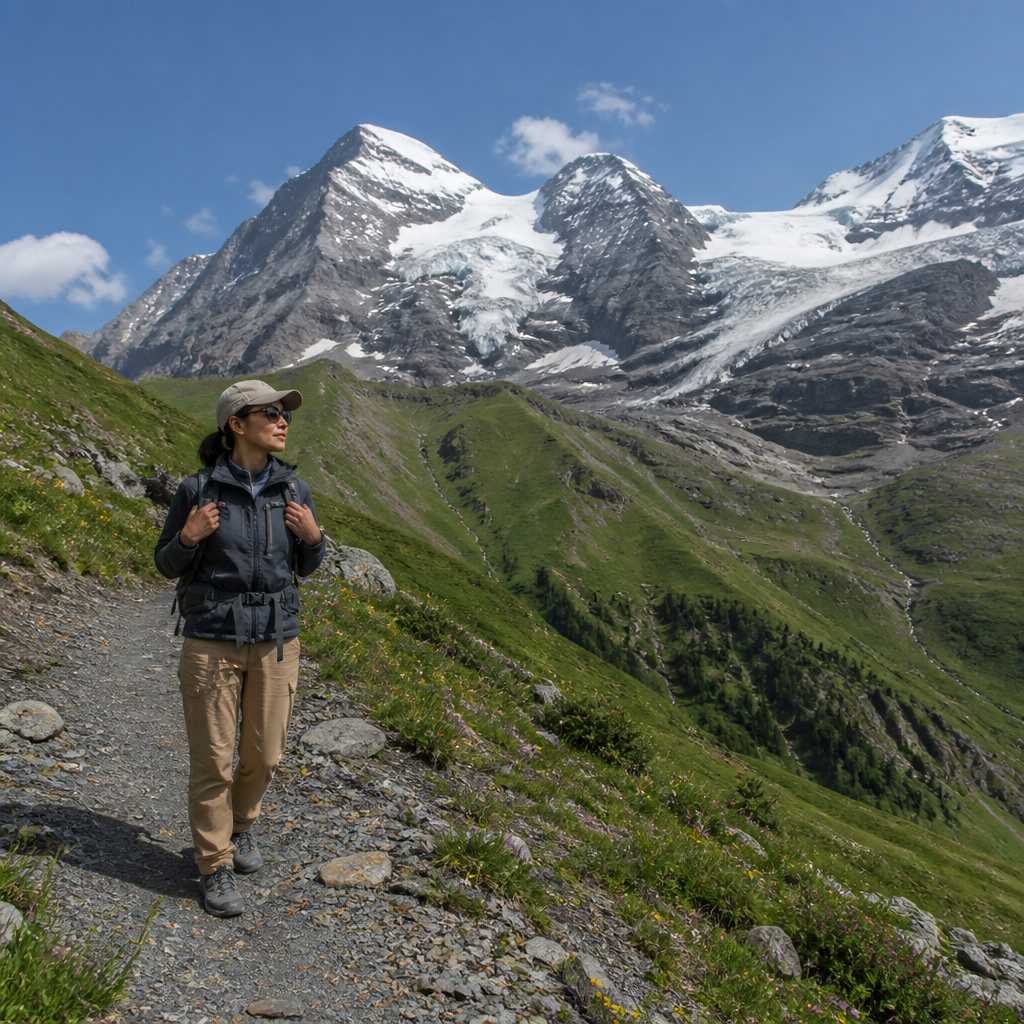
Summer brings relatively stable weather with longer daylight hours and melting snow on lower slopes, enabling hiking routes, sightseeing, and mountain biking. Tourists can enjoy panoramic views facilitated by clear skies. The temperature, while cooler at altitude, is comfortable for outdoor activities without the need for heavy winter gear.
Winter Climate Characteristics
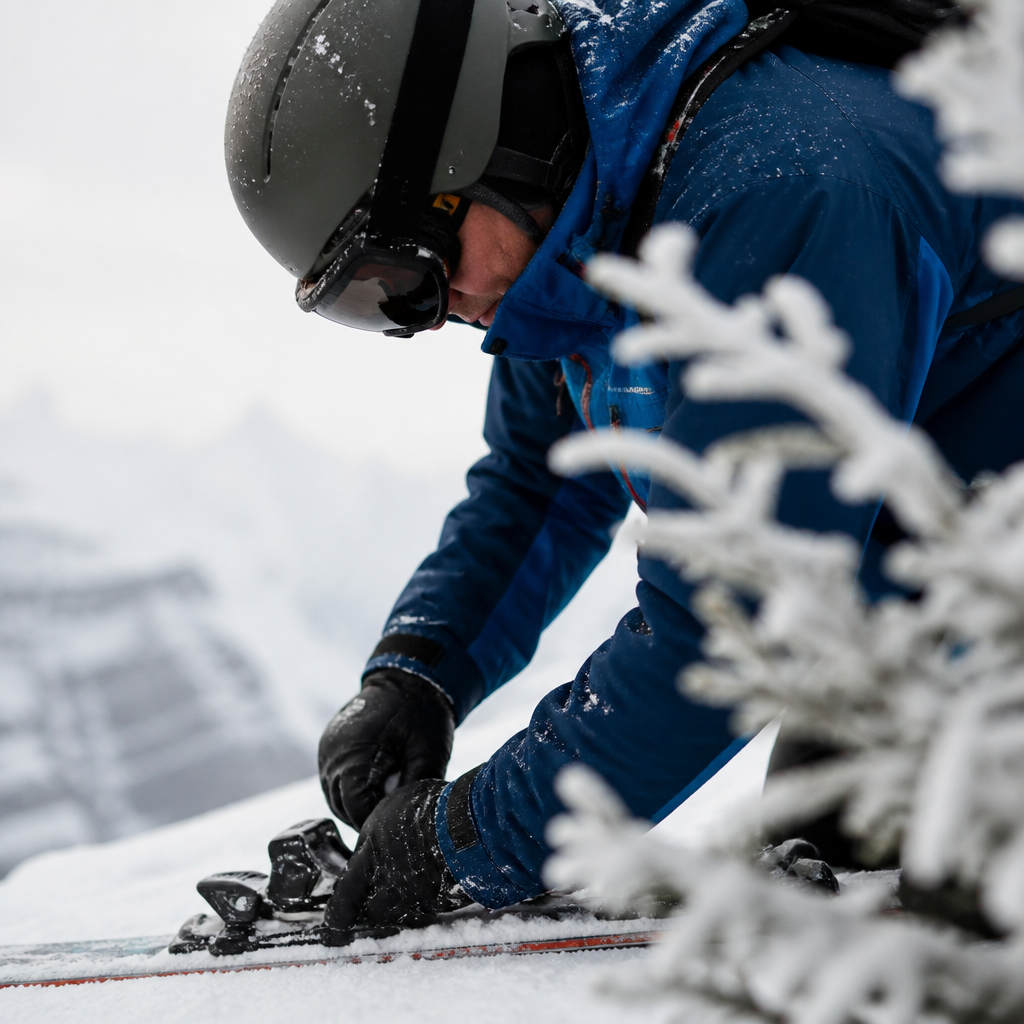
Winter weather is dominated by snowstorms and freezing temperatures ideal for winter sports. The continuous snow cover transforms the landscape into a ski and snowboard paradise. However, harsh weather events can occasionally limit access to certain hiking paths or non-winter sports activities.
Outdoor Activities Availability and Variation
Activity attribute pairing at Jungfrau highlights how the mountain region adapts to seasonal changes, with diverse offerings in summer versus winter. The region’s tourism board categorizes activities primarily into alpine hiking and mountaineering for summer, and skiing, snowboarding, and sledging during winter months.
Summer Activities at Jungfrau
Summer is ideal for hiking on well-marked trails such as the Eiger Trail and the High Alpine Path to the Jungfraujoch. Visitors also participate in mountain biking, paragliding, and glacier walking. The Jungfrau Railway remains operational year-round, facilitating access to the “Top of Europe” viewing platforms. Additionally, the flora in alpine meadows blooms, making botanical tours popular. According to Jungfrau Tourism statistics (2022), summer hikers constitute about 60% of annual visitors.
Winter Activities at Jungfrau
Winter shifts the focus to snow-based sports, with world-class ski resorts like Grindelwald and Wengen offering downhill skiing, cross-country skiing, and snowshoeing. The Lauberhorn race, part of the FIS Alpine Ski World Cup, takes place here annually, attracting international athletes and spectators. Winter sports accessibility is supported by extensive lift systems and maintained slopes. Winter tourists often come for skiing holidays, representing approximately 40% of the visitor base (Swiss Ski Federation, 2023).
Scenic and Environmental Changes Between Seasons
Environment attribute differences dramatically affect the visual and experiential quality of visiting Jungfrau. The summer season reveals verdant valleys, blooming alpine flowers, and partially exposed glaciers, while winter covers the entire region with an expansive white snow blanket.
Summer Scenic Highlights
Summer’s greenery enables wildlife spotting, viewing of alpine chalets, and photography of cascading waterfalls. Clear weather also enhances visibility of nearby peaks and the Aletsch Glacier, the largest glacier in the Alps and another UNESCO World Heritage site. This environment supports eco-tourism and educational tours focusing on glaciology and alpine ecology.
Winter Scenic Highlights
Winter’s snow transforms Jungfrau into a quintessential winter wonderland, with frosted trees, ice formations, and frozen lakes. Nighttime illuminations and seasonal festivities add cultural value. The consistent snowpack also affects local animal behavior, limiting some wildlife visibility but offering unique opportunities such as snowshoe wildlife tours.
Accessibility and Infrastructure Adaptations Seasonally
Infrastructure attribute pairing for Jungfrau includes the modifications and operational differences in transport and facilities that cater to seasonal needs. The Jungfrau Railway, cable cars, and mountain lodges adjust their services according to season, impacting visitor flow and accessibility.
Summer Infrastructure Setup
During summer, trails are cleared and maintained; mountain huts remain open for hikers, and outdoor events are scheduled. Public transport connections typically increase frequency to accommodate higher foot traffic. Safety measures include signage for glacier crossings and heat-related advisories.
Winter Infrastructure Setup
In winter, ski lifts and snow grooming machines are in full operation. Avalanche control is a significant safety focus, and rescue teams are on high alert. Many hiking paths are closed or rerouted, with marked ski routes replacing them. Hotels and resorts gear up for winter sports tourists with appropriate facilities such as ski rental shops and warming huts.
Conclusion: Understanding Seasonal Differences Enhances Jungfrau Visits
In summary, the Jungfrau region presents two distinct travel experiences shaped by its summer and winter seasonal attributes—climate, activities, scenery, and infrastructure. Summer invites visitors to engage with its milder weather, hiking trails, and botanical richness, while winter transforms it into a snowy playground for winter sports enthusiasts. Recognizing these differences allows travelers to tailor their visit to their preferences and ensures safety and enjoyment during their journey.
Given Jungfrau’s prominence as an alpine destination, ongoing research, investment in infrastructure, and sustainable tourism practices are essential to maintaining its appeal year-round. Prospective visitors are encouraged to consult up-to-date weather forecasts, seasonal event calendars, and regional tourism advisories to maximize their experience.